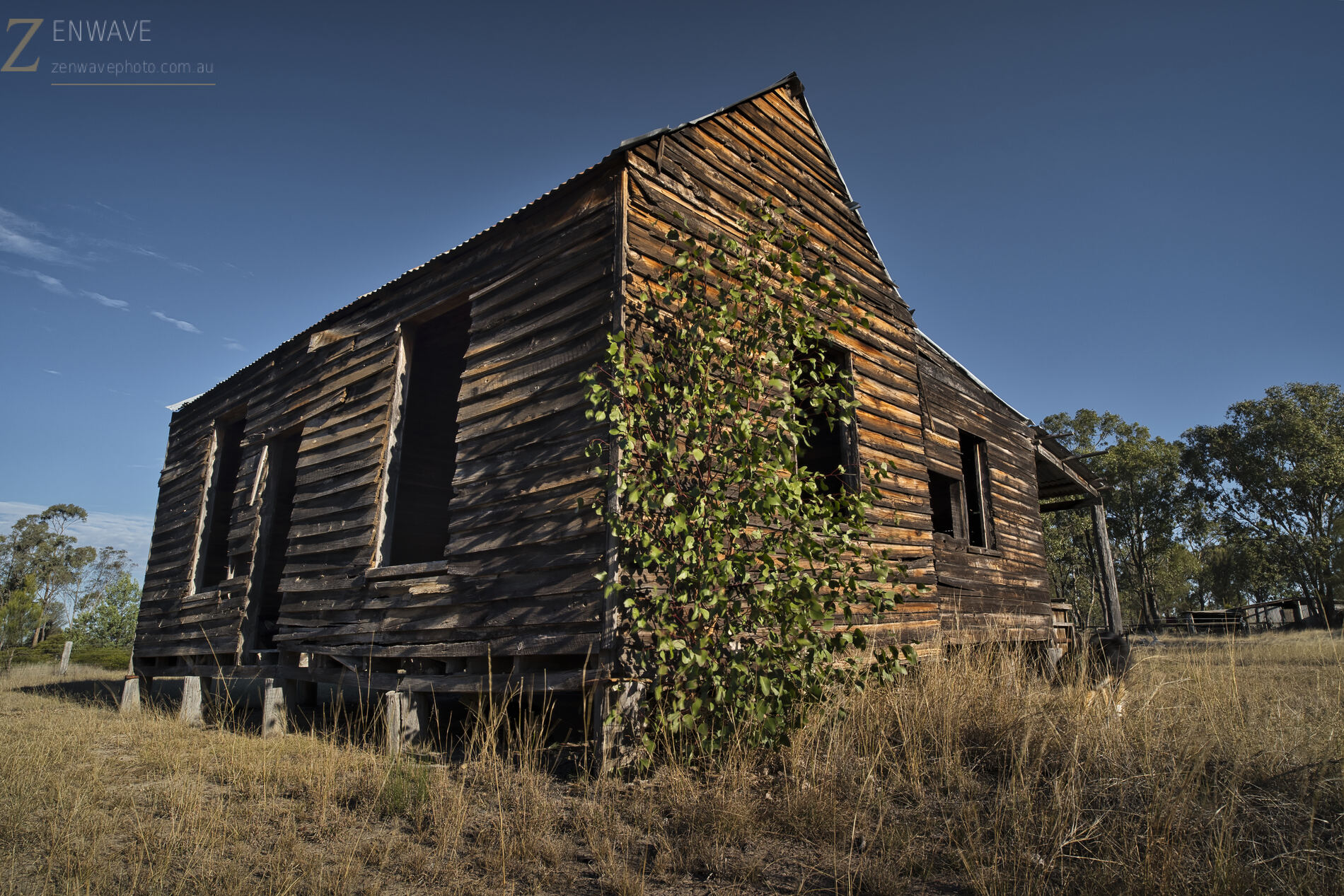
“Spirits and gods destroy what is full and reward what is humble.”— The Tuan Zhuan Commentary, I Ching
The territory I cover for work is roughly 8 times the size of the UK. Queensland, with its endless roads through red dirt and mulga, operates at a humbling scale. Telephone companies give up servicing many of its parts, and its far reaches test the resolve of even its hardiest inhabitants.
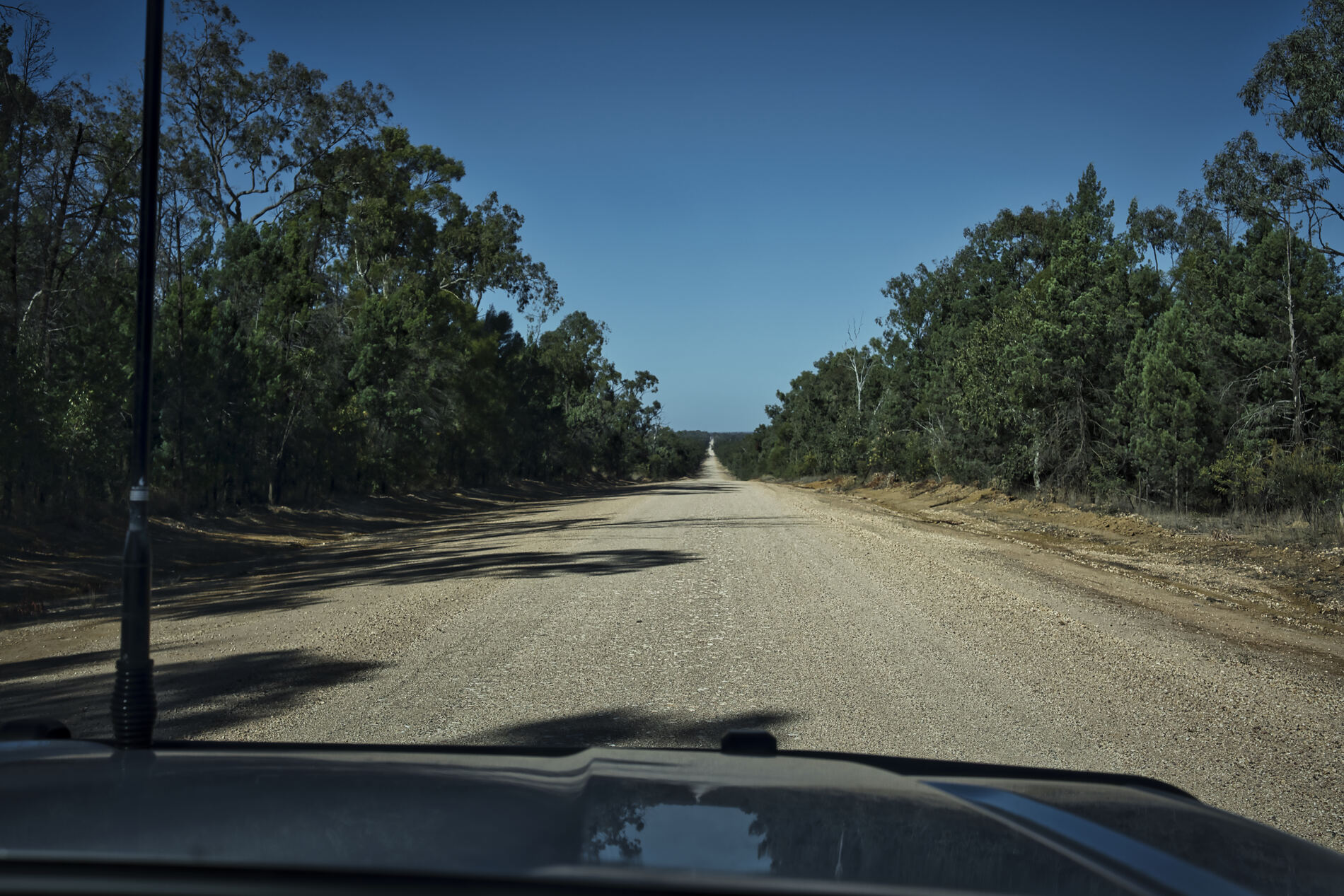
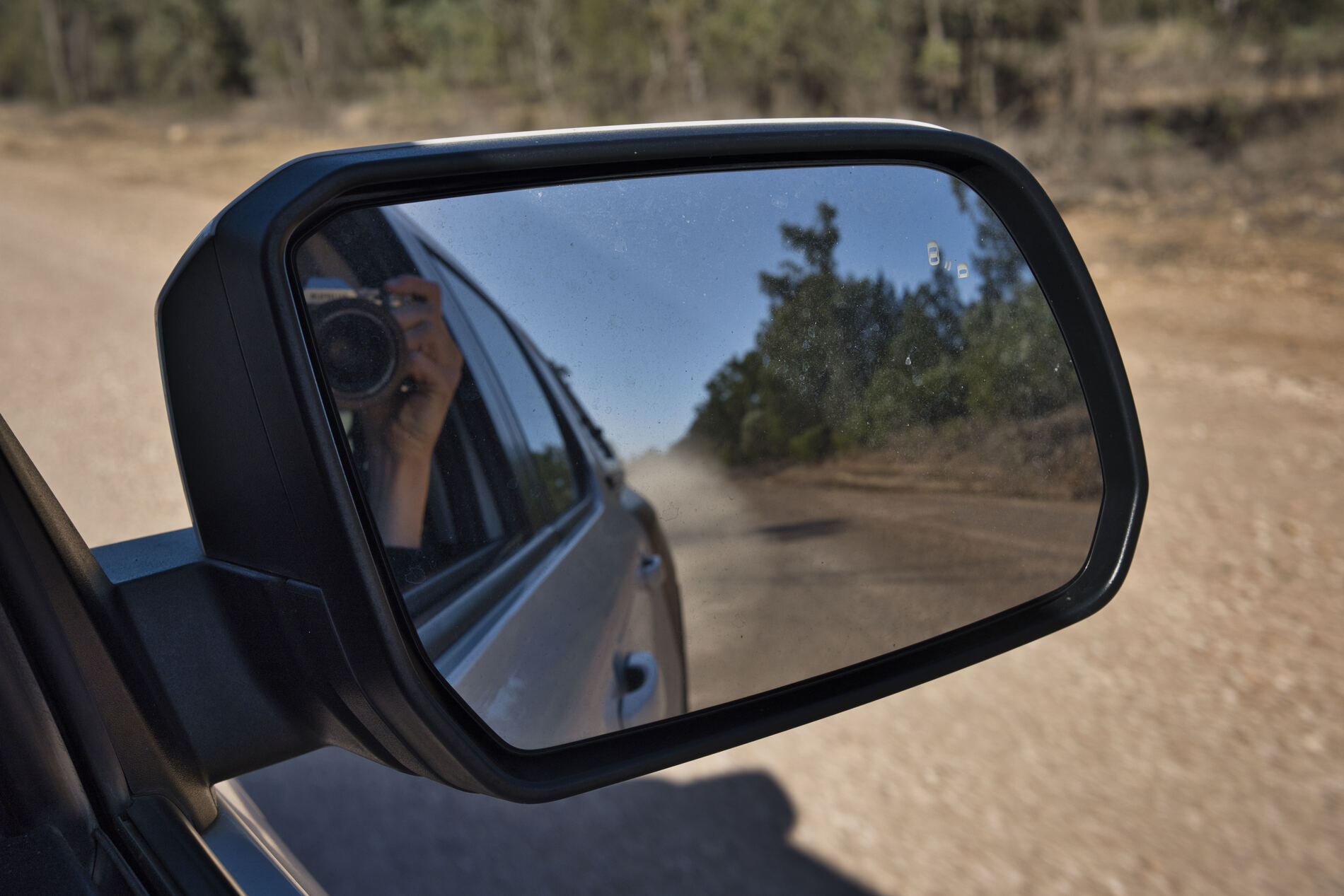
This trip took me deep into its far reaches. The official Outback, where a couple of clients brave the cycles of severe droughts and floods. Willow joined me. At the end of our long drive were two nights in a basic bush cabin — no signal, no feed to scroll, none of the hum of everyone else's opinions. Just the dog, and a quiet so complete it takes a while to stop feeling like something is missing.
But it isn't. It's the opposite.
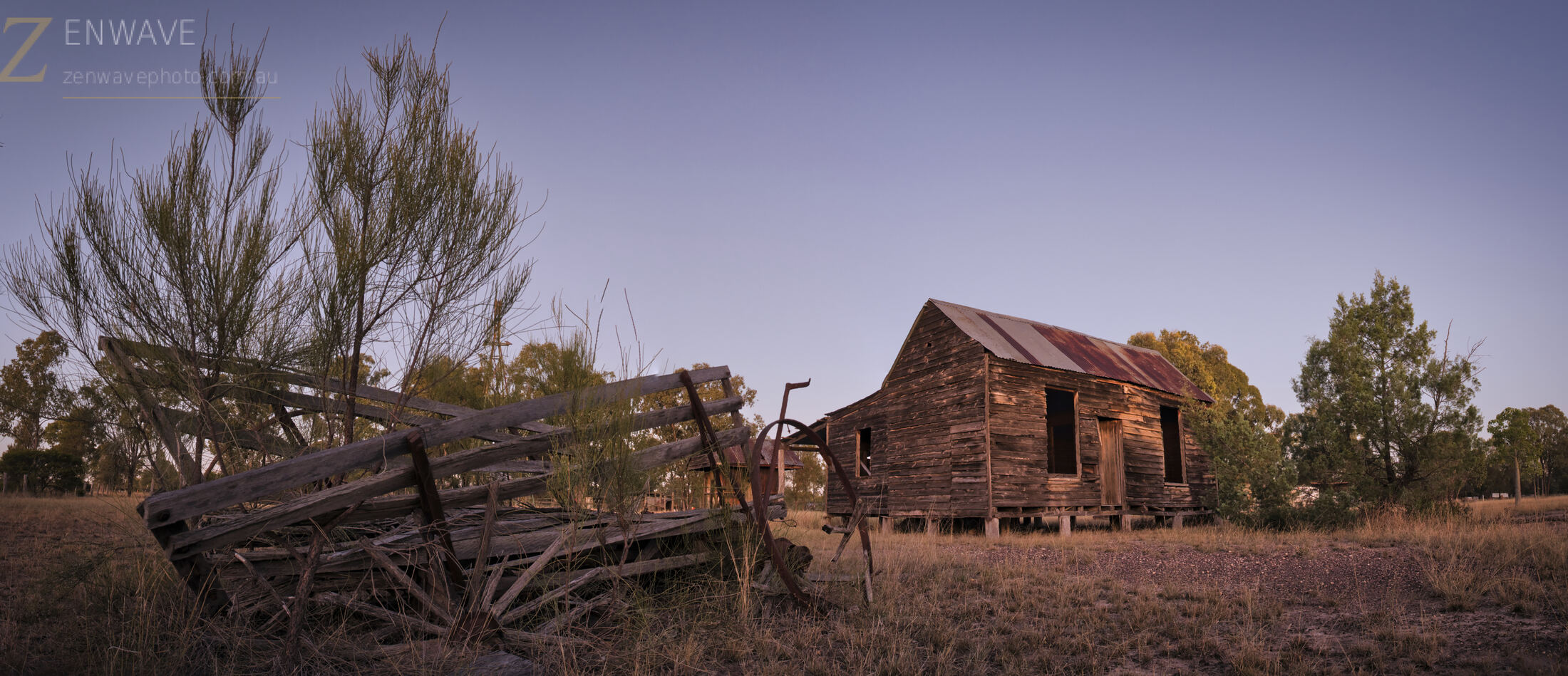
Not far from where I stayed sits an older cabin, long abandoned. Inside, a single suitcase. A single bed frame. On a peg by the door, a loyal Akubra hat, dusted red, waiting for the return of its owner.
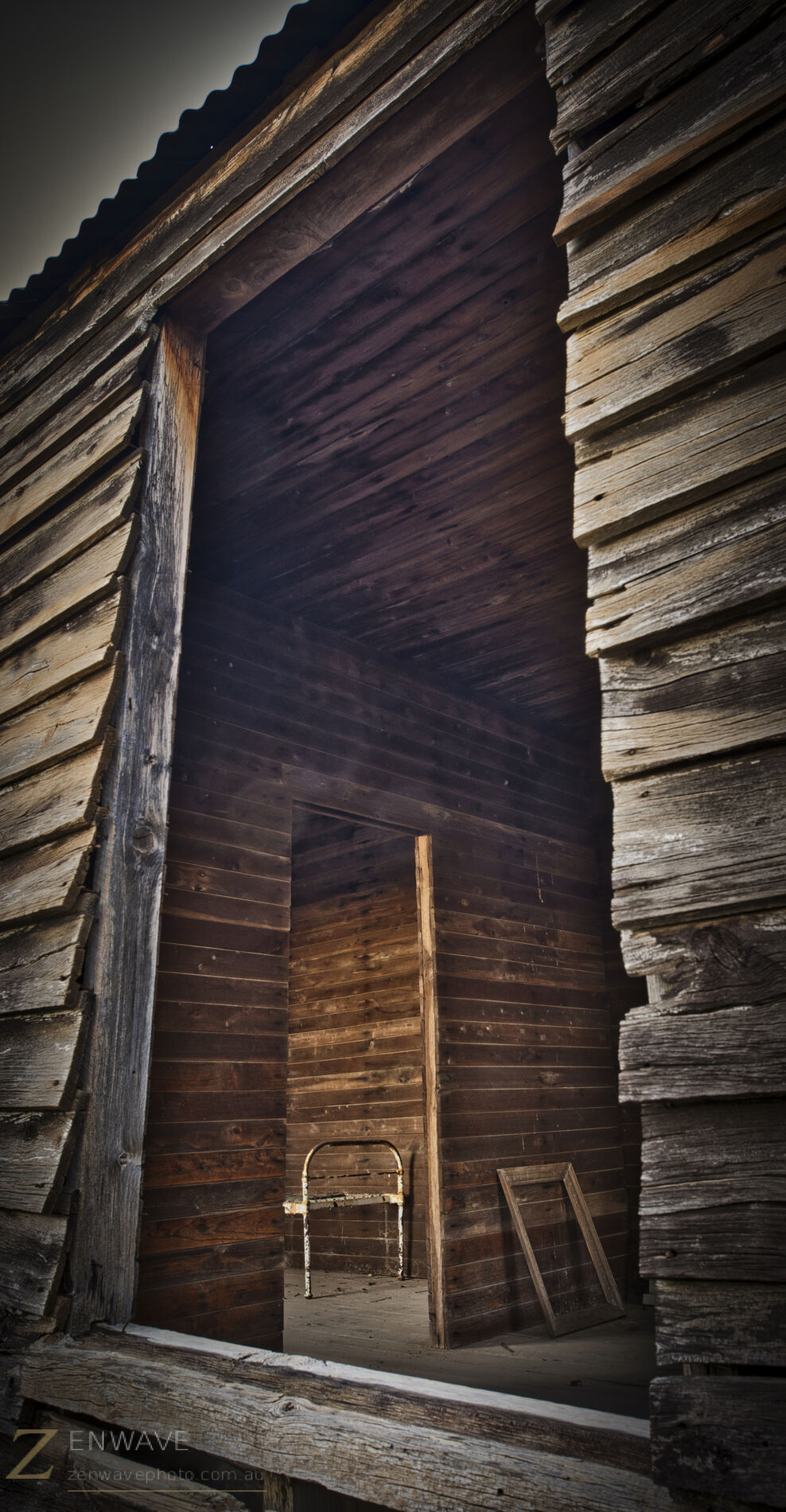
Looking in — the suitcase and bed frame, still there
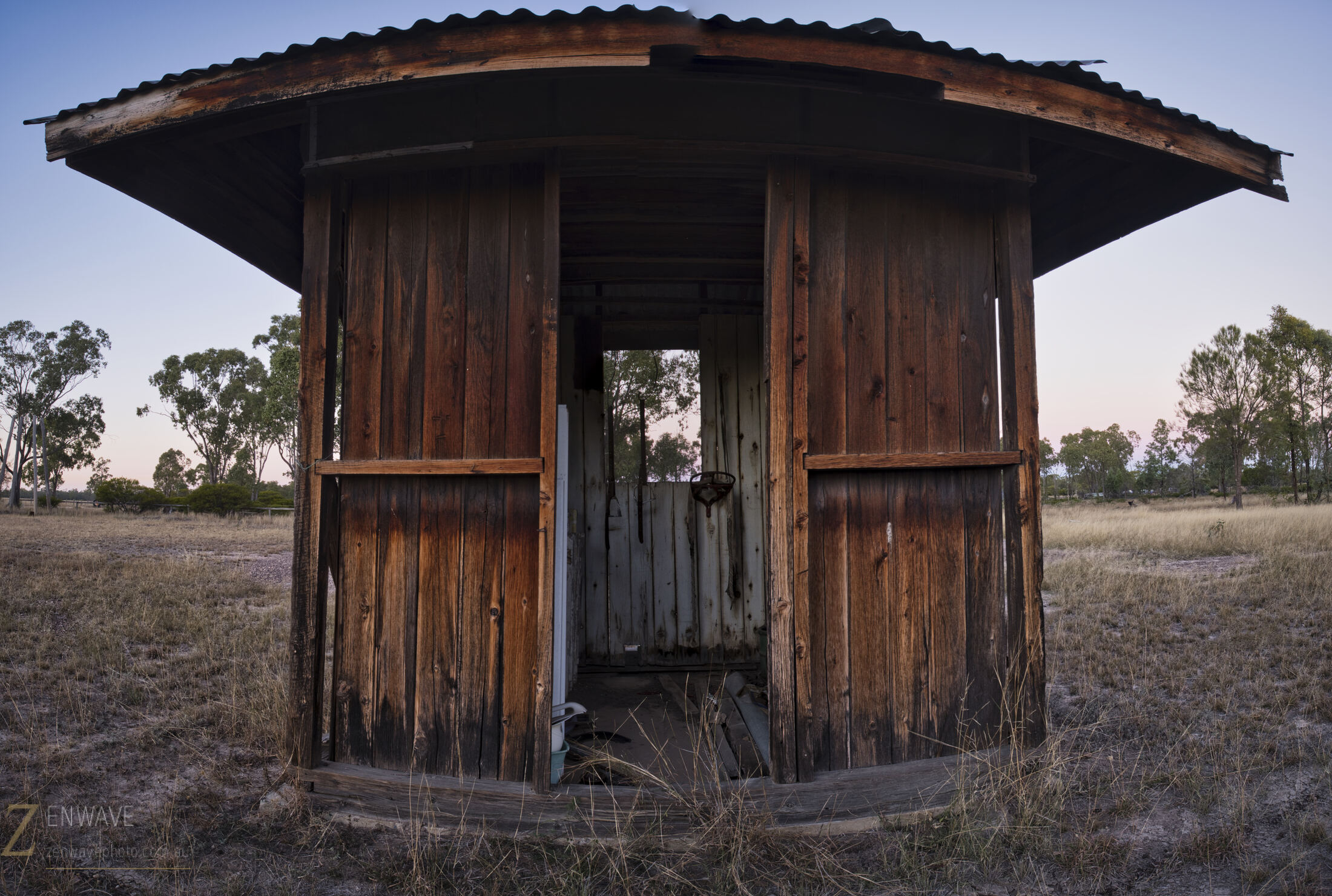
The people who built these places pushed past the limits of what was thought possible. Some of them broke through. Some of them simply broke from the sheer indifference of the country.
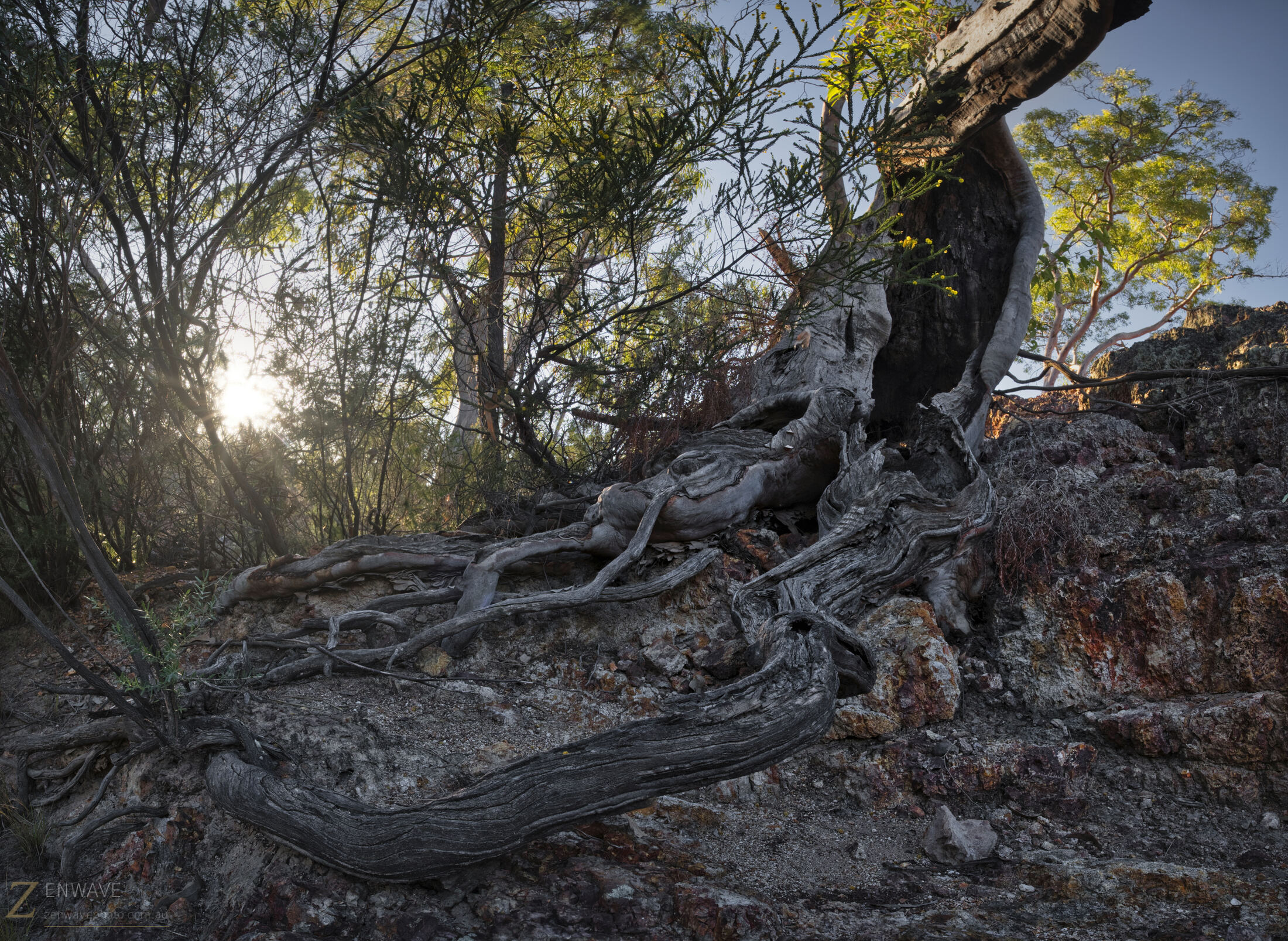
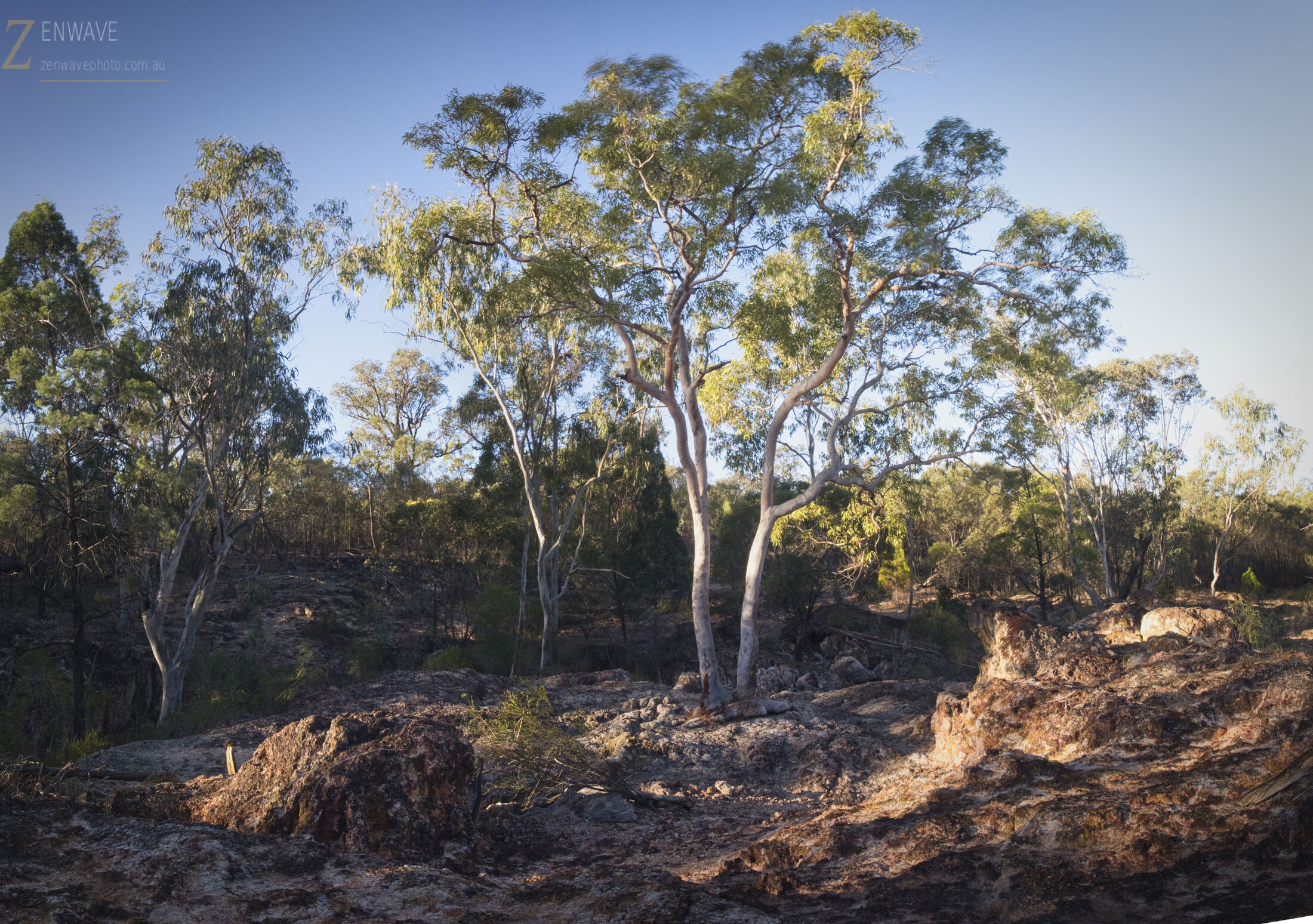
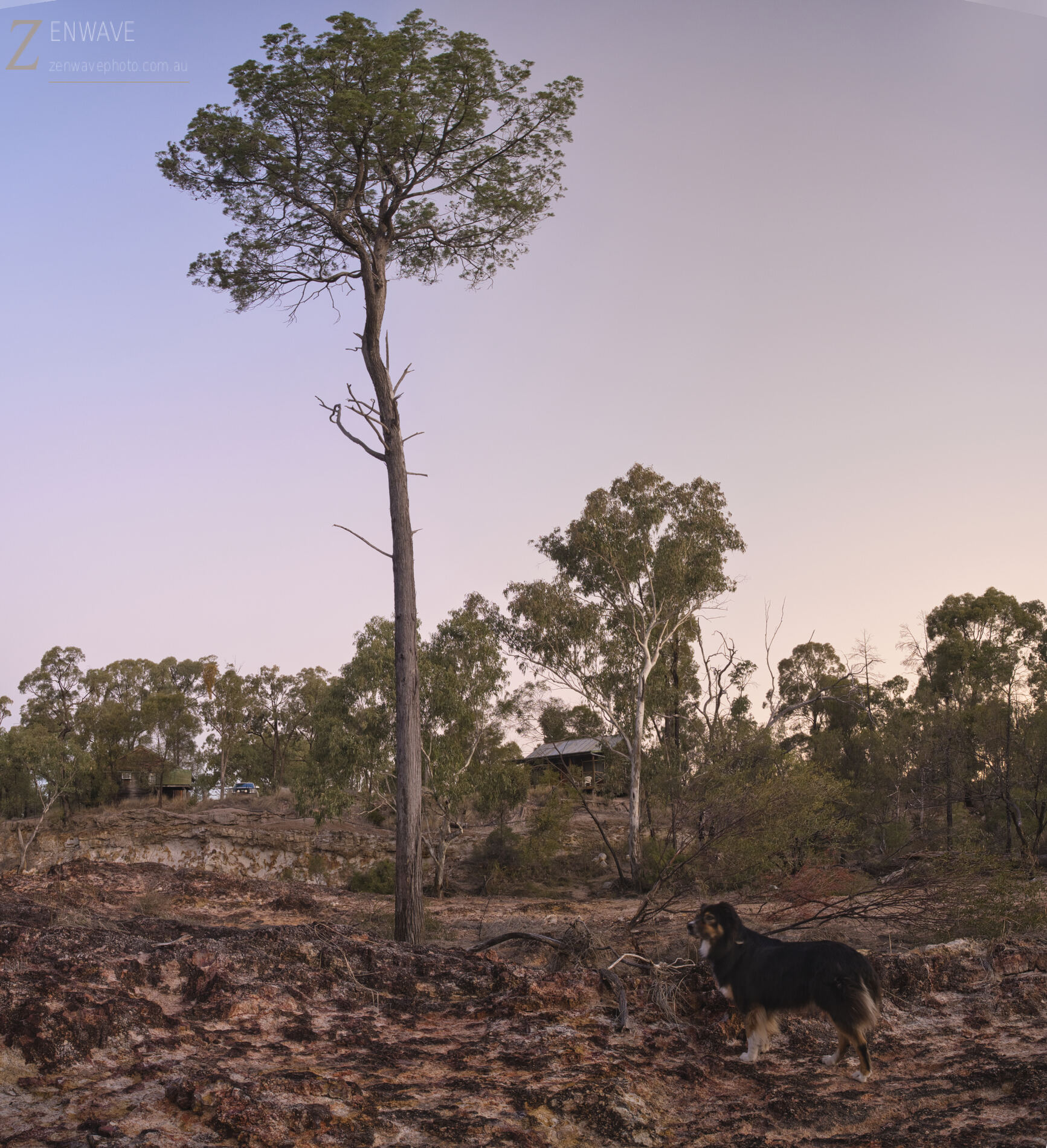
Around the cabin, trees grow straight into rock, holding their ground between one catastrophe and the next
Around the cabin, trees grow straight into rock, holding their ground between one catastrophe and the next. The cabin, a pin prick in the wilderness.
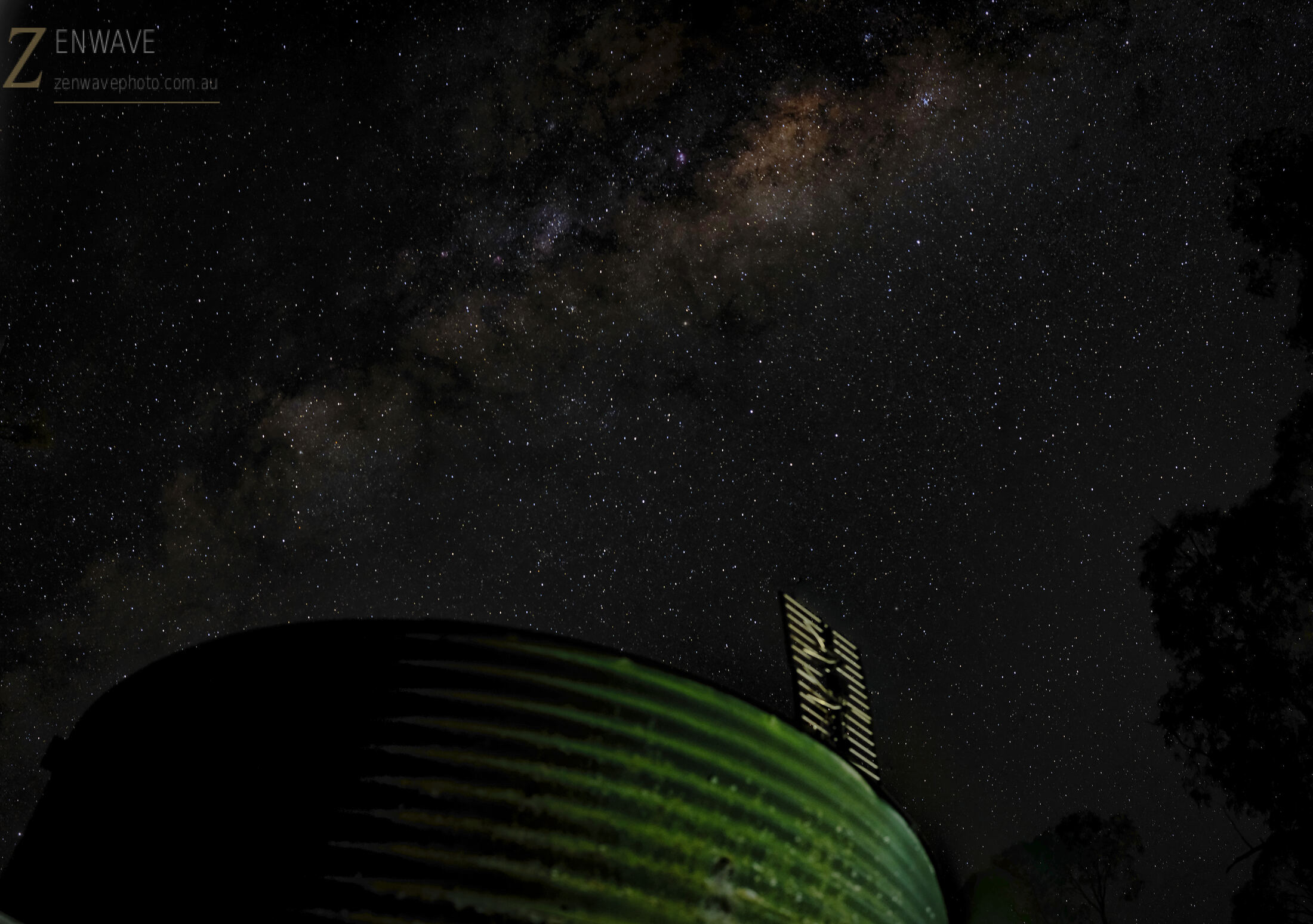
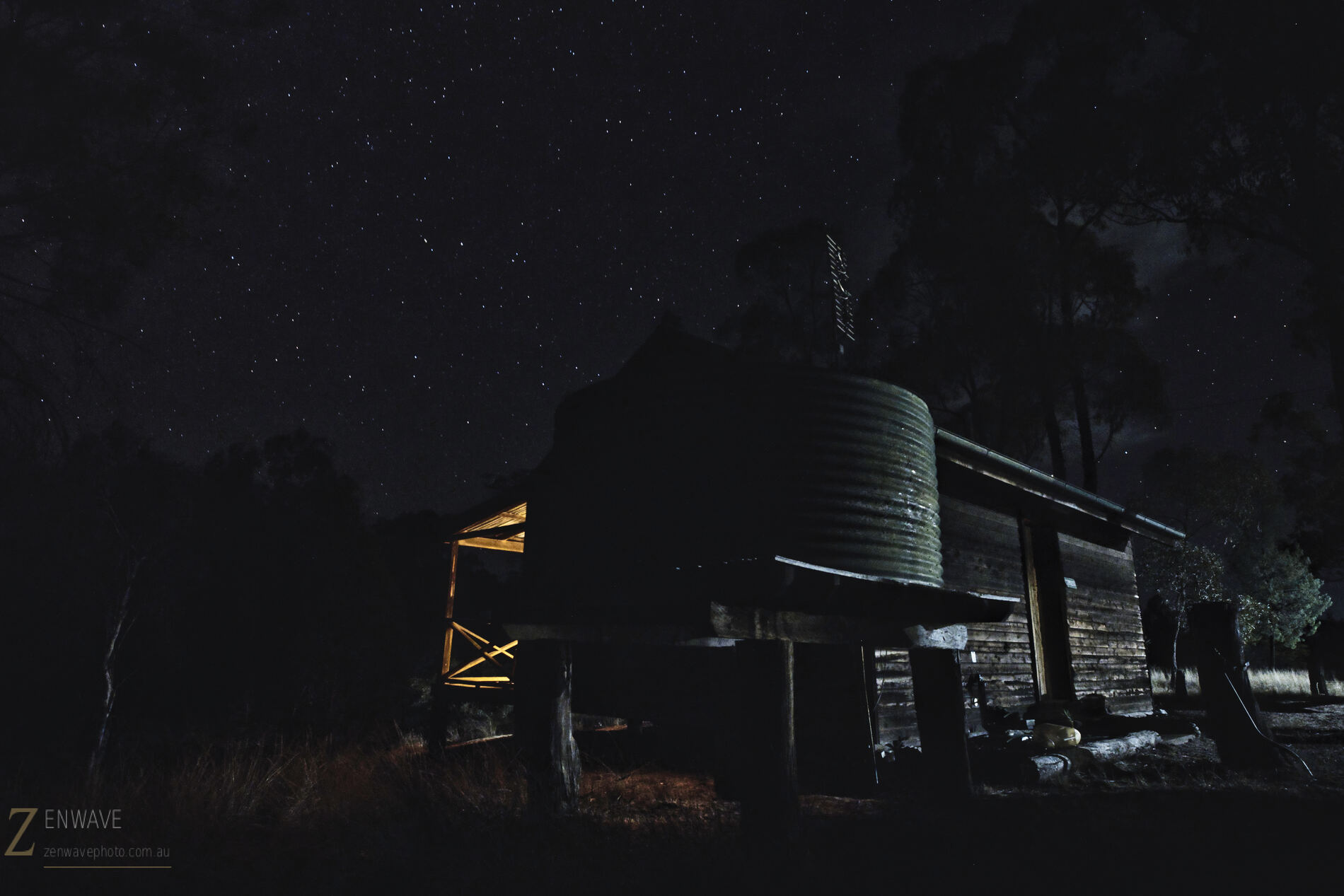
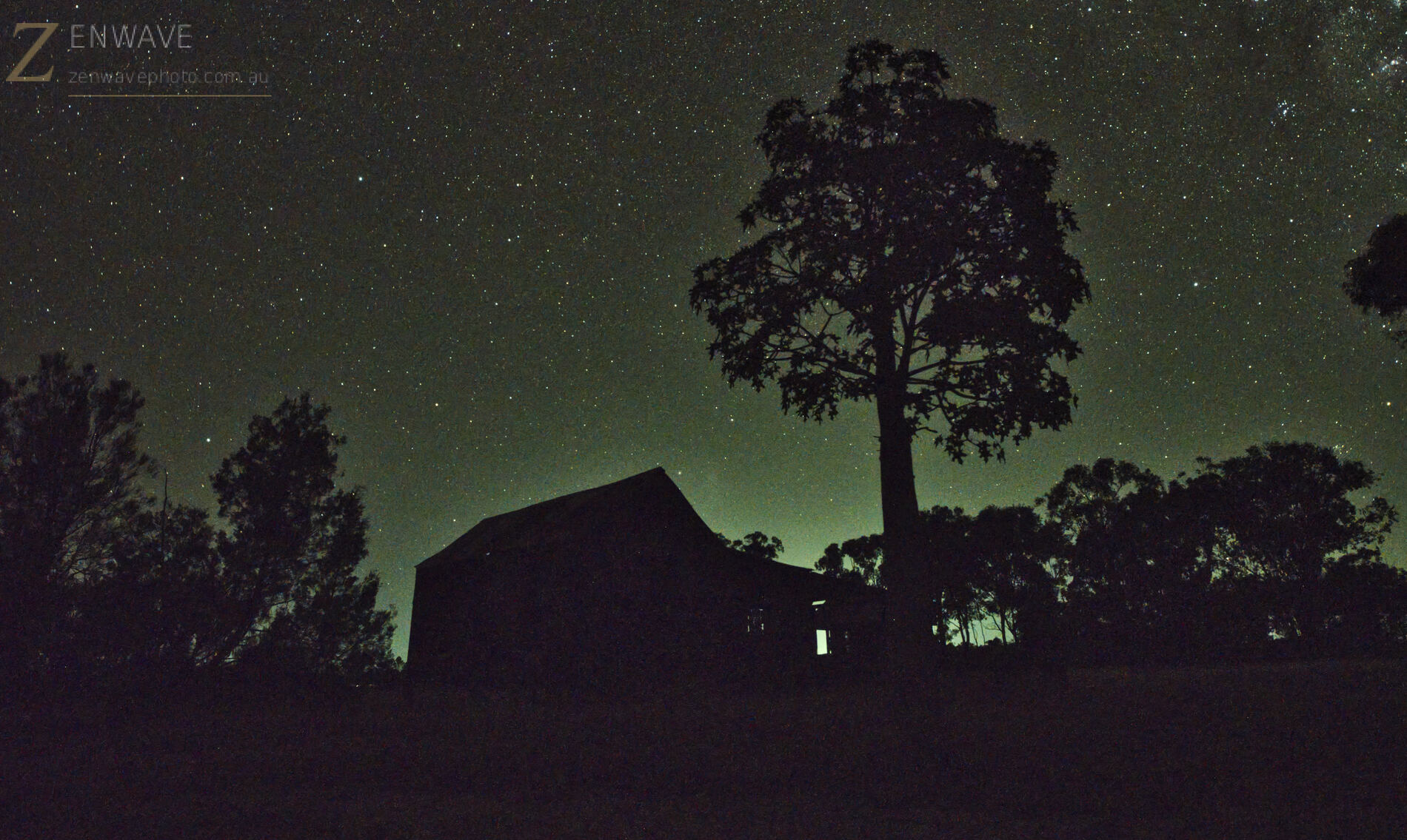
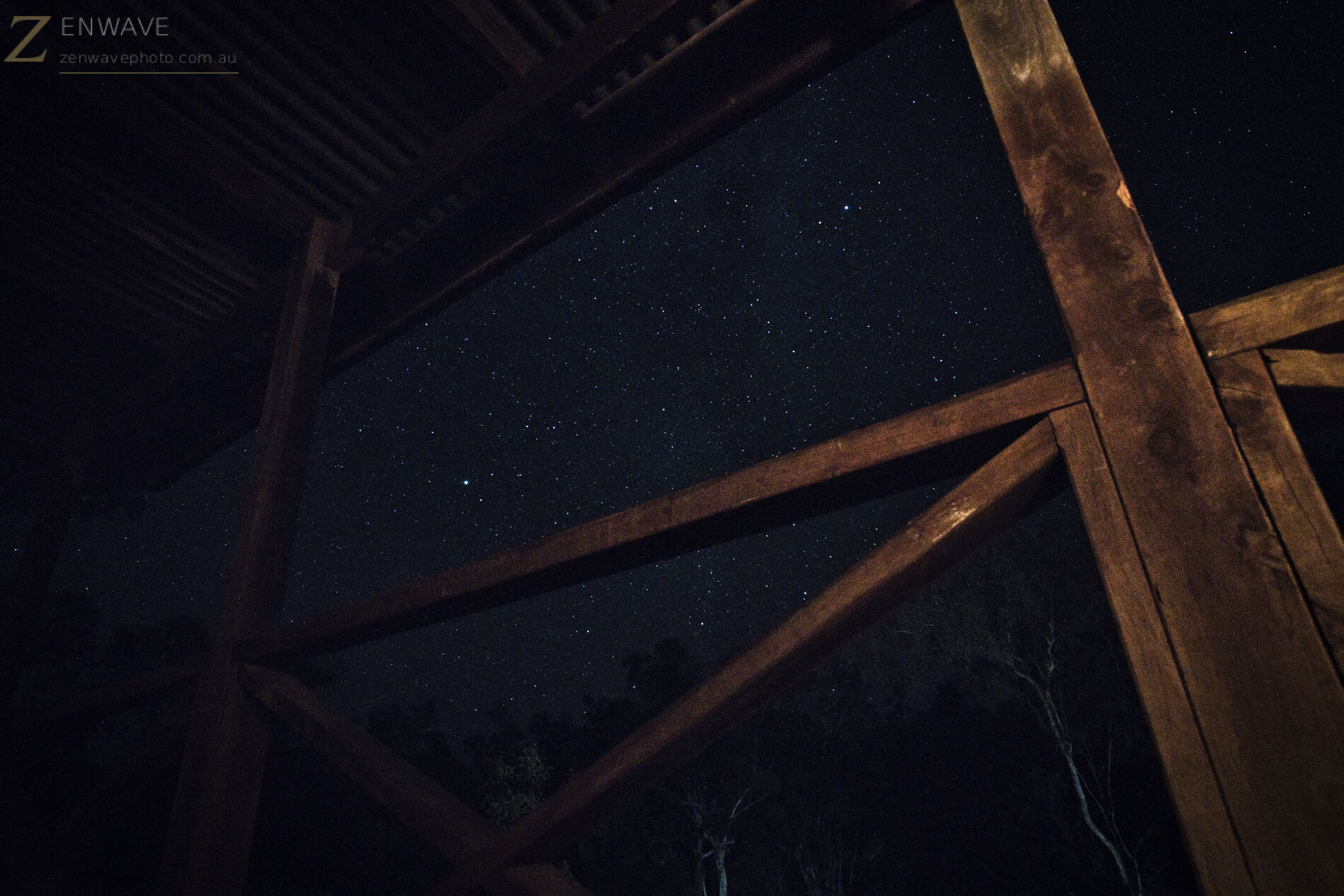
No signal. No feed to scroll. Just the dog, and a quiet so complete it takes a while to stop feeling like something is missing
At forty-three I changed careers again — this time into agricultural machinery. Which meant starting from nothing: a crash course in engineering, mechanics, harvesters, headers, the whole vocabulary of broadacre farming, learned fast enough to stand across from Cactus Jack and be of some actual use.
There's no way to fake that. He'd smell it in a sentence. It felt, at the start, close to impossible to memorise the multitude of configurations and set ups. Most worthwhile goals start that way.
I'd like to say it gets easier with each reinvention. It doesn't. What changes is that you stop being surprised by the feeling, and you learn to recognise it for what it is.
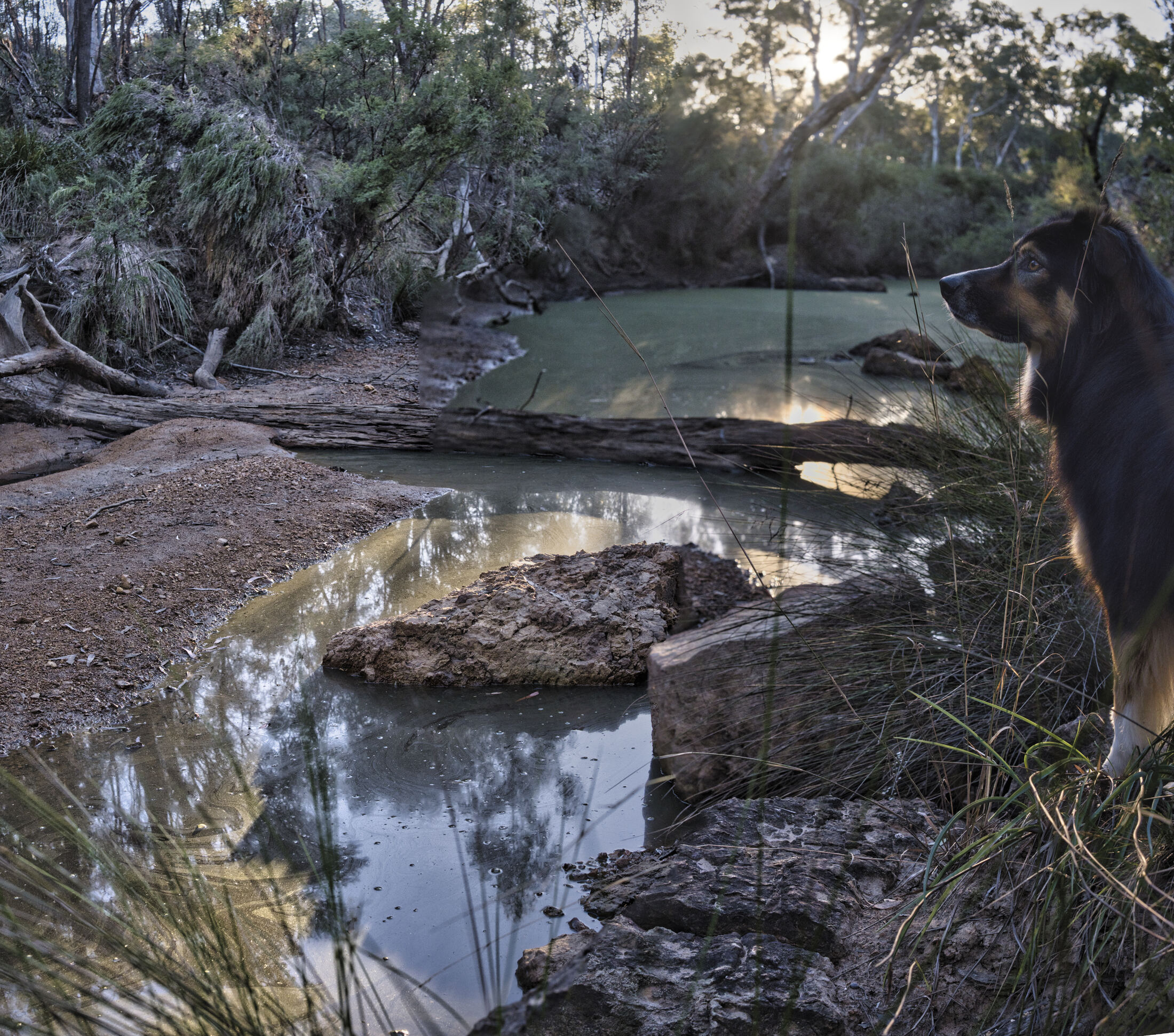
Somewhere across four hard drives I have close to three-quarters of a million photographs. By commercial professional standards almost all of them are failures. And it's this professional standard I aim for now.
These standards carry a workload most people never see. A single finished photograph might be twenty-four frames: panels stitched across a scene, each panel a stack of exposures at different focal points, each exposure balanced so no highlight blows out and no shadow dies. Before any of that, there's the matter of getting to the place at all, and being there when the light is right, and knowing your equipment well enough that it disappears in your hands. One wrong setting, one soft edge, and what should have been the photograph worthy of commercial print joins the other 749,000.
There's one image I shot recently; "Through Nature's Eye" — that came from a hidden valley reached by a precarious descent into a ravine, a place that didn't look like it had seen a visitor in a long while. When I saw what the scene could be, I went back a second time. I packed a lunch, brought Willow, and sat at that one spot for six hours, watching the light move across the bark of a single trunk. Compositions, angles, the changing personality of the same scene as the sun swung over. Six hours for one photograph (the image is yet to be released).
I used to think that kind of thing was about the photograph. I'm less sure now. Sit anywhere for six hours paying real attention and the thing you end up studying is yourself.
Reinhold Messner, the first man to climb Everest without oxygen, credited humility rather than “conquest” as the driver for his feat. He was told it was scientifically impossible. Turns out it wasn't. The mountains weren't the point, he insisted. They were the means to learn your own dimensions.
The outback does the same work, at a different angle. So does starting again at forty-three. So do all the failed frames I've taken. And all the other "failures" I've encountered.
There have been plenty of days I've wondered what the point is — why keep hauling gear into ravines for images the world doesn't need. One reason is needing a mission. But looking back across the failures, the reinventions, the slow accumulation of getting it wrong, I can see another line running through all of it, and the line was never really about the photos. Anything you give yourself to fully becomes a way of finding out who you are. The craft is the portal; you're the subject.
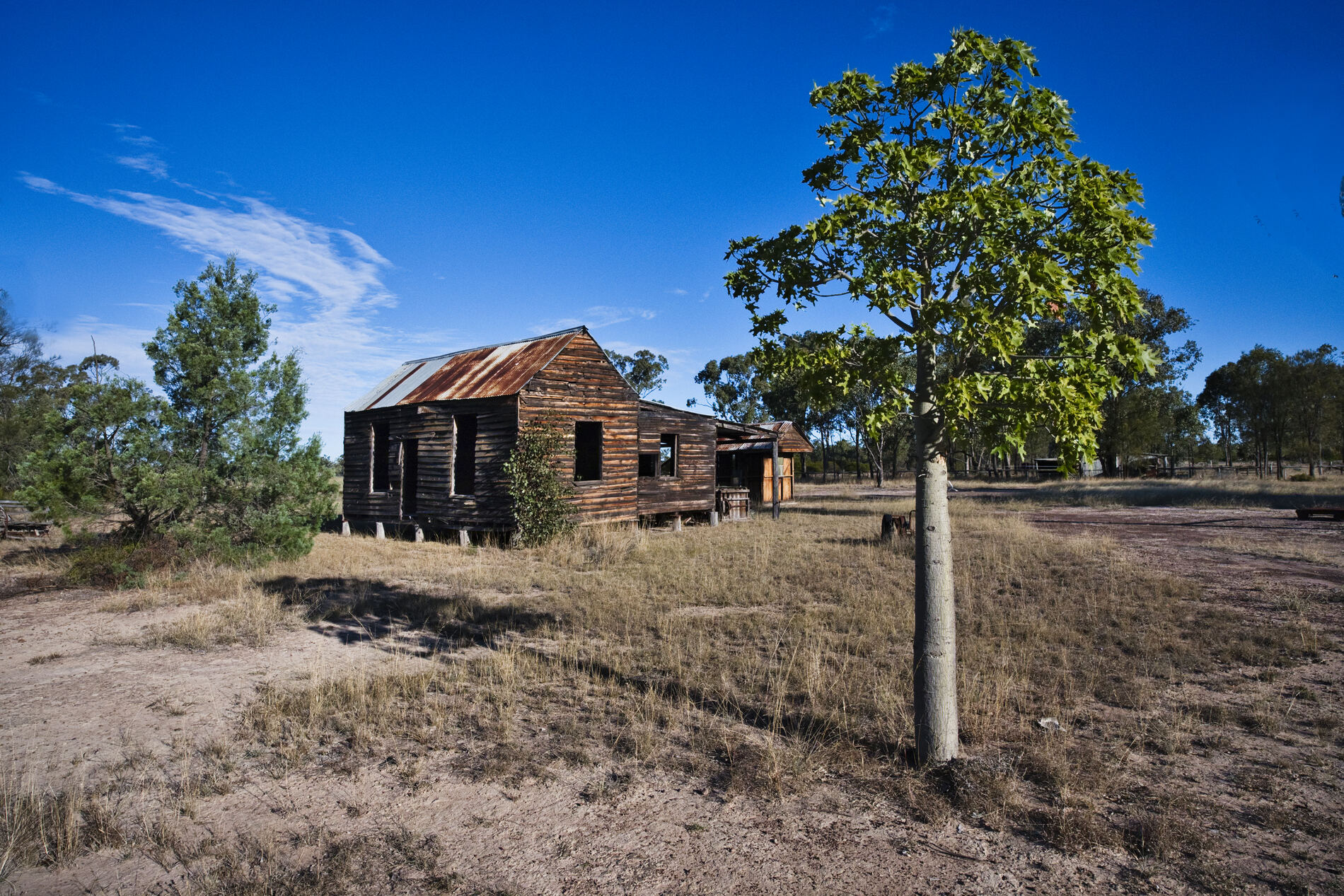
The suitcase is still in there. The hat is still on its peg, waiting.